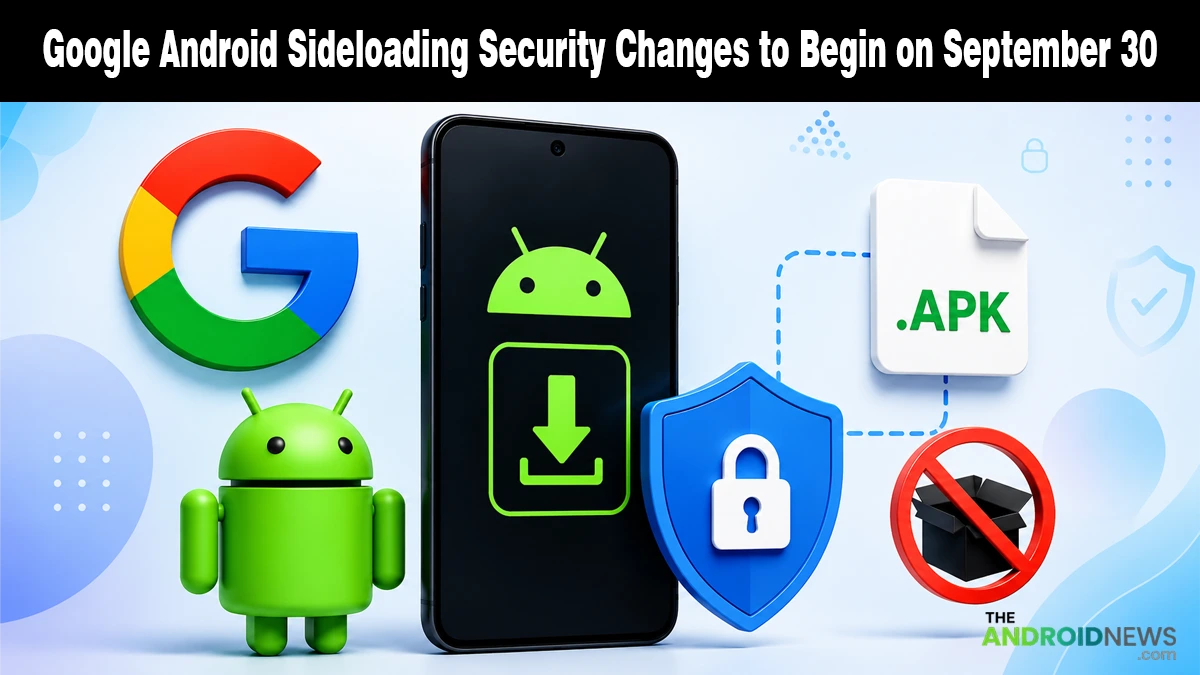
Google Sets the Date: Android Sideloading Changes Begin September 30
Sideloading on Android isn’t disappearing, but it is becoming more controlled.
Coming just days after the Android 17 launch, Google has released its rollout timeline for a developer verification system designed to ensure every app installed on Android, including sideloaded ones, is linked to an identifiable developer.
The first user-facing changes begin on September 30, 2026. This builds on Google’s earlier system, which added a 24-hour delay and multi-step confirmation for apps from unregistered developers.
The Full Timeline, Step by Step
Google is rolling out a new Android system service via Google System Updates that will eventually handle app verification checks. It will install automatically but won’t impact app installs yet.
On September 30, 2026, registration requirements will begin in Brazil, Indonesia, Singapore, and Thailand, covering apps distributed through Google Play and major third-party stores, including
- Samsung Galaxy Store
- Xiaomi GetApps
- HONOR App Market
- OPPO App Market
- vivo V-Appstore
- Palm Store.
These countries will act as the initial testing phase before wider rollout.
In August, ahead of the deadline, Google will introduce a limited developer account for hobbyists and students, allowing apps to be shared on up to 20 devices without ID verification or fees.
This is designed to preserve lightweight experimentation and personal app sharing outside formal commercial requirements.
Google says the rollout will remain limited through 2026 to gather feedback from users, developers, and store partners, before expanding globally to certified Android devices in 2027.
Why Google Is Doing This
Google says millions of apps have already been registered since developer verification began in March, covering nearly all installs from Google Play and most installs outside the Play Store.
The goal to block malicious developers from repeatedly distributing harmful apps on your Android smartphone through anonymous accounts.
Google’s framing focuses on identity rather than restriction. Sideloading remains intact for power users; the change adds friction when a developer cannot be verified.
Through 2026, this verification system joins other security measures, including Accessibility permission scrutiny, app store pre-vetting, and Play Protect enhancements, aimed at reducing malware from outside official channels while maintaining Android’s openness.
Source: Android’s sideloading changes are getting closer as Google shares new timeline