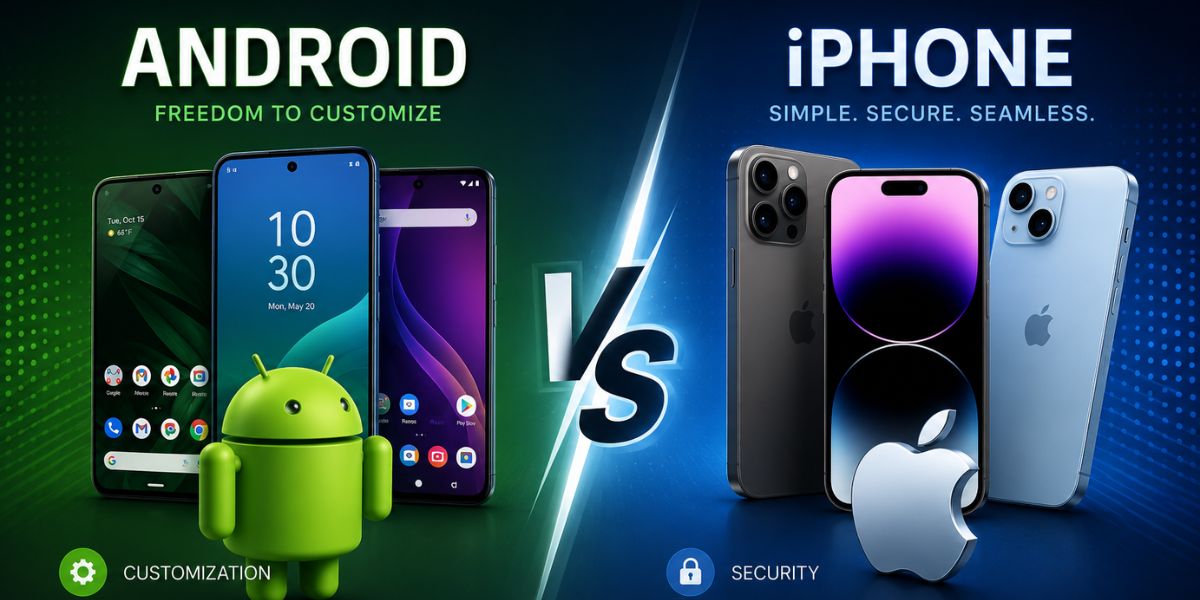
Android vs iPhone: Which Should You Buy in 2026?
Choosing between Android vs iPhone in 2026 is no longer about which is “better” overall; it’s about which fits your needs. Both platforms have reached a level of maturity where performance, cameras, and daily usability are excellent.
The real differences come down to customization vs. simplicity, flexibility vs. ecosystem, and price vs. long-term value. Android offers a wide variety of devices with cutting-edge innovation, while iPhone focuses on a polished, secure, and consistent experience. In this detailed guide, we’ll break down every major aspect to help you make a smart, informed decision.
Design and Build Quality
In 2026, both Android and iPhone devices feature premium designs with glass-and-metal finishes. iPhones maintain a consistent design language across models, offering a sleek and recognizable look. Android phones come in a wide range of designs, from budget plastic builds to ultra-premium foldable devices. This variety allows users to choose what suits their style and budget.
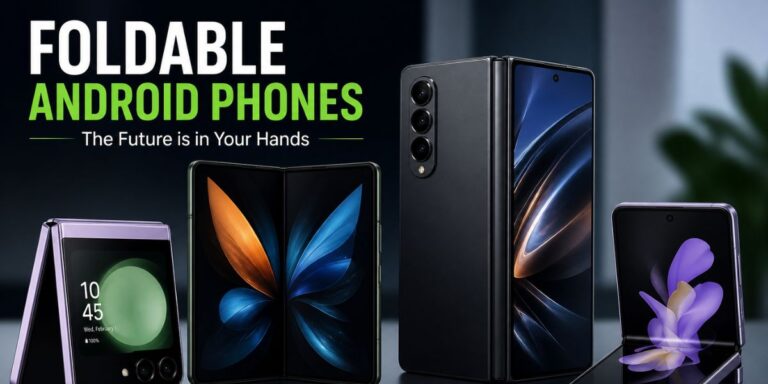
Foldable phones and experimental designs are mostly available on Android, giving it an edge in innovation. Meanwhile, iPhones prioritize durability and uniformity, which appeals to users who prefer reliability over experimentation.
Performance and Speed
Performance differences between Android and iPhone are minimal in everyday use. iPhones are known for smooth performance due to tight hardware and software integration. Apple’s chips are optimized for efficiency, making apps run consistently fast.
Android phones, especially flagship models, also deliver excellent performance with powerful processors. However, performance may vary depending on the brand and price range. In real-world usage, both platforms handle multitasking, gaming, and apps efficiently.
Software Experience and UI
The software experience is where Android vs iPhone truly differs. iPhone offers a simple, clean, and easy-to-use interface that is consistent across all devices. Android, on the other hand, provides flexibility with different user interfaces from brands like Samsung, Google, and others.
Users who prefer a straightforward experience often lean toward the iPhone. Meanwhile, Android users enjoy more control over their interface. Both platforms have improved significantly, but Android still offers more variety, while iPhone focuses on simplicity and smooth navigation.
Customization and Flexibility
Customization is one of Android’s biggest strengths. Users can change themes, icons, launchers, and even system-level settings. Android allows sideloading apps and deeper control over the device.
IPhone has improved customization in recent years, but it remains limited compared to Android. This difference comes from Android being an open system, while iOS is more controlled. If you like personalizing your phone and having full control, Android is the better choice. If you prefer a consistent and controlled environment, an iPhone is ideal.
App Quality and Availability
Both Android and iPhone have access to millions of apps, but iPhone often gets optimized apps first. Developers tend to prioritize iOS because of its uniform hardware. This results in smoother performance and better app quality in some cases. Android apps have improved significantly, but optimization can vary depending on the device.
Camera Performance
Camera quality is excellent on both platforms in 2026. iPhones are known for consistent photo and video quality, especially in video recording. Android phones often lead in hardware innovation, offering higher megapixels and advanced zoom features. Results can vary between brands. iPhones focus on reliability; what you see is what you get.
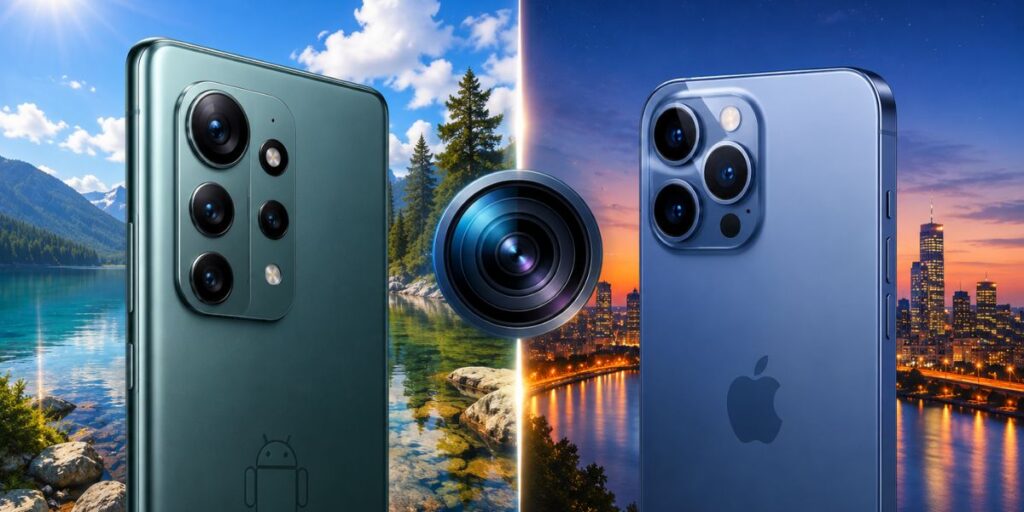
Android offers more variety, with some phones excelling in specific areas like zoom or night photography. If you want consistent results, choose iPhone. If you want cutting-edge camera features, Android is a strong option.
Battery Life and Charging
Battery performance varies across devices. Android phones often offer larger batteries and faster charging speeds, sometimes reaching full charge in under an hour. iPhones focus more on battery optimization rather than raw capacity.
In daily use, both platforms provide all-day battery life. Android typically leads in fast charging technology. If fast charging is important to you, Android has an advantage. If you prefer efficient battery management and long-term battery health, the iPhone performs very well.
Software Updates and Longevity
One of iPhone’s biggest advantages is long-term software support. Apple provides updates for around 5–6 years, ensuring devices stay secure and functional for longer. Android updates vary depending on the brand, with some offering up to 4–5 years of support.
Not all Android devices receive updates at the same time. If long-term use and consistent updates matter, the iPhone is the better choice. Android is improving in this area, but it still lacks the uniform update system of Apple.
Security and Privacy
Security is a major factor in the Android vs iPhone debate. iPhones are generally considered more secure due to strict app store policies and regular updates. Apple’s closed ecosystem helps protect user data.
Android offers more control but requires users to manage security settings carefully. According to security comparisons, iPhones provide stronger default privacy, while Android allows more customization for advanced users. If you want out-of-the-box security, choose iPhone. If you prefer control over privacy settings, Android is better.
Ecosystem and Integration
Apple’s ecosystem is one of its strongest advantages. iPhones work seamlessly with other Apple devices like Tablets, MacBooks, iPads, and Apple Watches. Features like AirDrop and iCloud make integration effortless.
Android also offers ecosystem features, especially with Google services, but they are not as tightly integrated. If you already use Apple products, choosing an iPhone makes sense. If you prefer flexibility and compatibility with different brands, Android is more suitable.
Price and Value for Money
Android offers a wide range of devices at different price points, from budget to premium. This makes it accessible to more users. iPhones are generally more expensive but offer strong resale value and long-term reliability. For budget-conscious buyers, Android is the obvious choice. For users willing to invest in a premium experience with long-term support, iPhone provides better value over time. Your budget plays a major role in this decision.
AI and Future Features
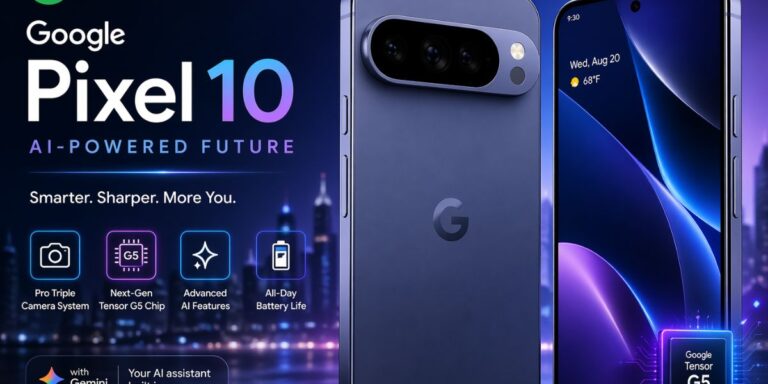
AI is a key battleground. Android is leading in AI innovation with advanced tools and features powered by Google’s ecosystem. Apple is also improving its AI capabilities, but focuses more on privacy and controlled integration. Recent reports suggest Android has an edge in AI functionality, while Apple prioritizes secure and stable implementation. If you want cutting-edge AI features, Android is ahead. If you prefer a balanced and secure approach, iPhone is a solid choice.
Gaming Experience
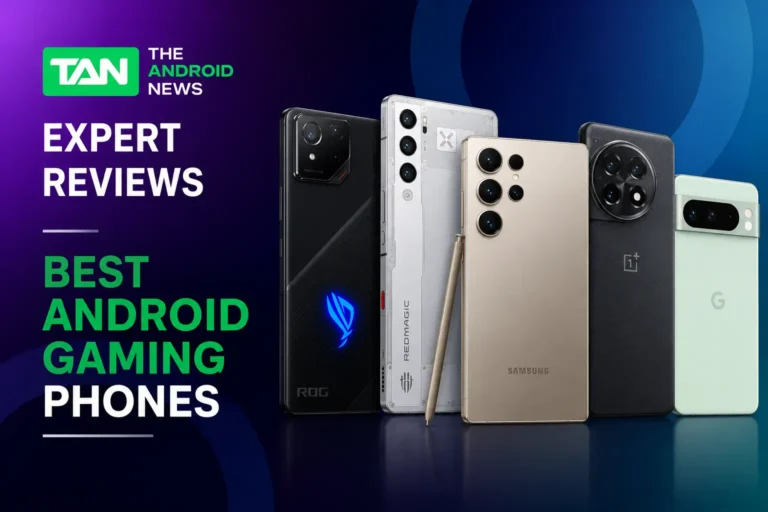
Both Android and iPhone provide excellent gaming experiences. iPhones are known for stable performance and optimized games. Android devices often offer higher refresh rates and gaming-specific features. The choice depends on your preference. If you want consistent performance, the iPhone is reliable. If you want gaming-focused hardware and features, Android offers more options.
Which Should You Buy in 2026?
The answer depends on your needs. Choose Android if you want flexibility, customization, and a wide range of price options. Choose iPhone if you prefer simplicity, long-term updates, and a seamless ecosystem. Both platforms are excellent, and the decision is more about personal preference than technical superiority. As experts note, the difference now comes down to user priorities rather than major capability gaps.
Final Words
The Android vs iPhone debate in 2026 is closer than ever. Both platforms offer powerful features, strong performance, and reliable user experiences. Android stands out for customization, variety, and innovation, while iPhone excels in simplicity, security, and ecosystem integration. Instead of asking which is better, ask which suits your lifestyle. Whether you choose Android or iPhone, you’re getting a top-tier smartphone experience.
FAQs
Is Android better than iPhone in 2026?
Android is better for customization and price options, while iPhone is better for updates and ecosystem.
Which lasts longer, Android or iPhone?
iPhones generally last longer due to extended software updates and consistent performance.