Google Play Store Policy Changes 2026: A Complete Guide to New Rules, Privacy, and Developer Requirements
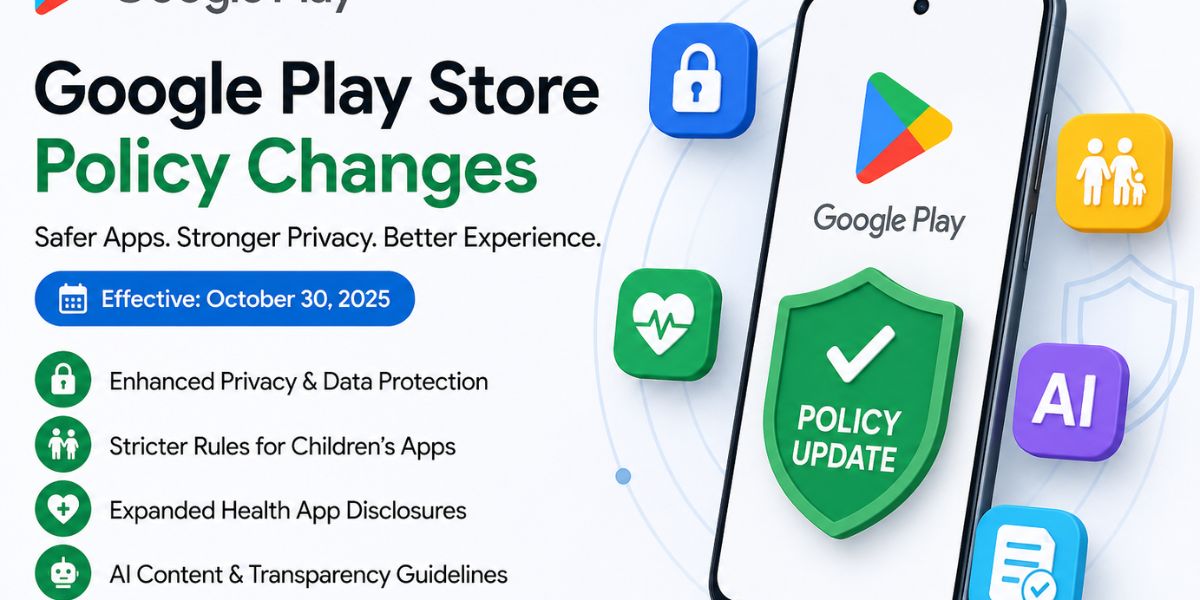
The Google Play Store policy changes in 2026, reflecting a strong focus on user safety, privacy, and transparency. These updates directly impact how developers build, publish, and maintain apps, while also improving user trust.
New rules around AI content, children’s apps, health disclosures, and data protection are reshaping the platform. As these policies are now actively enforced in 2026, developers must ensure full compliance to keep their apps visible and competitive on the Play Store.
Why Google Is Introducing New Policy Updates
Google is updating its Play Store policies to keep pace with rapid technological advancements and stricter global regulations. As mobile apps become more powerful, risks related to data misuse, misinformation, and privacy violations have increased. Governments worldwide are enforcing tighter digital laws, pushing platforms like Google to strengthen safeguards.
These updates also aim to eliminate harmful apps and improve overall app quality. By refining its policies, Google ensures a safer environment while encouraging developers to adopt ethical, transparent, and user-focused practices.
Mandatory Android 15 Target Requirement
One of the most important requirements in 2026 is that all apps must target Android 15 or higher. This ensures compatibility with the latest security features, privacy controls, and performance improvements.
Apps that fail to meet this requirement risk being removed or hidden from users. This policy pushes developers to stay updated with modern Android standards, resulting in more stable, secure, and optimized applications for users across devices.
Enhanced Privacy and Data Protection Rules
Privacy remains a central focus of Play Store policies. Developers must provide clear, accurate disclosures about how user data is collected, used, and shared. Access to sensitive data such as location, contacts, and personal files requires strong justification.
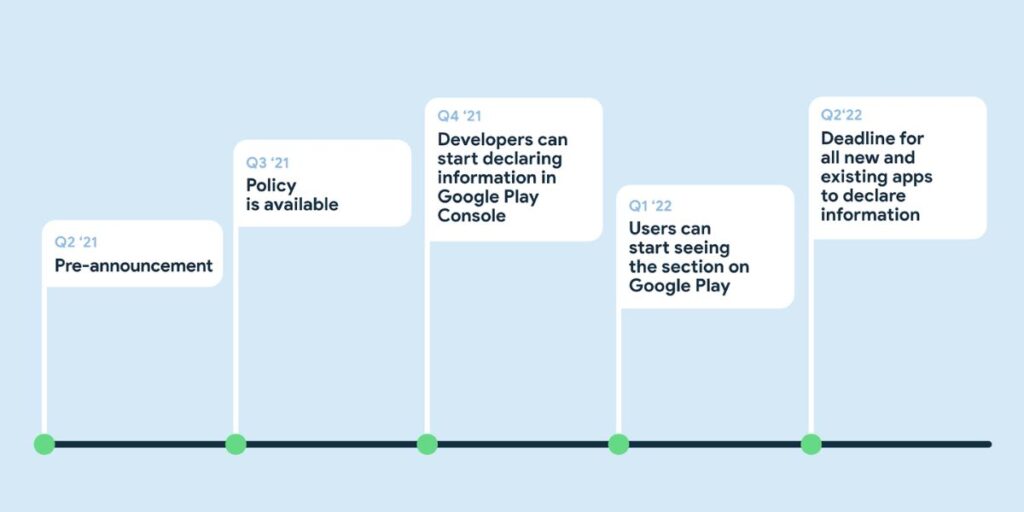
The Data Safety section is now strictly enforced, ensuring transparency. Apps that fail to comply face removal. These rules align with global privacy expectations and promote a privacy-first approach, helping users make informed decisions before installing apps.
Stricter Regulations for Health and Medical Apps
Health and medical apps face stricter compliance requirements in 2026. Developers must clearly disclose the sources of medical information, its limitations, and its intended use. Apps offering health advice must avoid misleading claims and ensure factual accuracy.
These policies are designed to protect users from misinformation and unsafe practices. As digital health tools continue to grow, these regulations ensure that users receive reliable, evidence-based information from apps available on the Play Store.
New Guidelines for AI-Generated Content
Artificial intelligence is now a major part of app development, and 2026 policies introduce clear rules for AI-generated content. Developers must disclose when content is created using AI and ensure it is not deceptive or harmful.
Apps involving deepfakes, impersonation, or misleading AI outputs face strict penalties. Transparency is essential to maintaining trust. These guidelines promote responsible AI usage while preventing misuse, ensuring innovation does not compromise user safety.
Tighter Restrictions on Children’s Apps
Apps designed for children must comply with stricter safety standards under updated Families policies. Developers are required to limit data collection, avoid targeted advertising, and ensure all content is age-appropriate.
These updates respond to growing concerns about children’s digital safety. Non-compliant apps risk removal. By enforcing stricter rules, Google ensures a safer digital environment for younger users while supporting high-quality educational and entertainment apps.
Improved App Permission Controls
These updates introduce tighter controls on app permissions. Developers can request only permissions essential to core functionality. Background access to sensitive data is heavily restricted and closely reviewed. These changes prevent unnecessary data collection and reduce privacy risks. Users also gain more control over permissions, making it easier to manage what information apps can access.
Expanded Data Safety and Transparency Requirements
The Data Safety section has been expanded to require more detailed and accurate disclosures. Developers must clearly explain how user data is collected, stored, and shared. Any misleading or incomplete information can lead to penalties or app removal. This increased transparency builds user trust and encourages better data handling practices across the Play Store ecosystem.
Crackdown on Deceptive and Low-Quality Apps
Google is taking stronger action in 2026 against deceptive and low-quality apps. Apps with misleading titles, fake functionality, or spam-like behavior are more likely to be removed. The focus is on originality, usefulness, and user experience. This crackdown improves the overall quality of the Play Store, ensuring users have access to reliable and valuable applications.
Updated Monetization and Subscription Policies
Monetization policies now emphasize transparency and fairness. Developers must clearly explain subscription pricing, billing cycles, and cancellation processes. Hidden charges and misleading offers are strictly prohibited. Apps must also provide an easy way for users to manage subscriptions. These changes reduce confusion and improve user trust, leading to better engagement and retention.
Security Enhancements and App Integrity Measures
Google has strengthened app verification processes and improved malware detection systems. Developers are required to follow secure coding practices and regularly update their apps. Tools like the Play Integrity API help ensure apps are authentic and untampered. These measures protect users from cyber threats and create a safer app ecosystem.
Impact of Policy Changes on Developers
These policy updates significantly impact developers. Compliance requires continuous updates, better documentation, and stricter adherence to guidelines. While this may increase workload, it also creates opportunities to build higher-quality and more secure apps. Developers who adapt quickly gain a competitive advantage, while non-compliance can result in app removal or account suspension. Staying informed is essential for long-term success.
How Users Benefit from These Updates
In Google Play Store policy changes, stronger privacy protections, improved app quality, and enhanced security measures lead to a better overall experience. Transparent subscriptions and stricter app reviews reduce risks and confusion. Users can trust that apps on the Play Store are safer, more reliable, and less likely to misuse their data.
Final Words
The Google Play Store policy changes in 2026 mark a major shift toward safety, transparency, and quality. Developers must ensure full compliance to remain competitive, while users benefit from a more secure and trustworthy app ecosystem.
By prioritizing privacy, ethical development, and user protection, Google is shaping the future of mobile applications. Staying updated with these changes is essential for success in the evolving Play Store environment.
Google Play Store Policy Changes FAQs
Are AI-based apps allowed on the Play Store?
Yes, but developers must clearly disclose AI-generated content and ensure it is not misleading or harmful.
How do these changes affect user privacy?
They improve privacy by requiring clear data disclosures, limiting permissions, and enforcing strict data protection rules.
What should developers do to stay compliant?
Developers should regularly update apps, follow Play Store guidelines, provide accurate disclosures, and adopt secure and transparent development practices.